News

HOTHREAT on the Vilnius Security Forum 2026

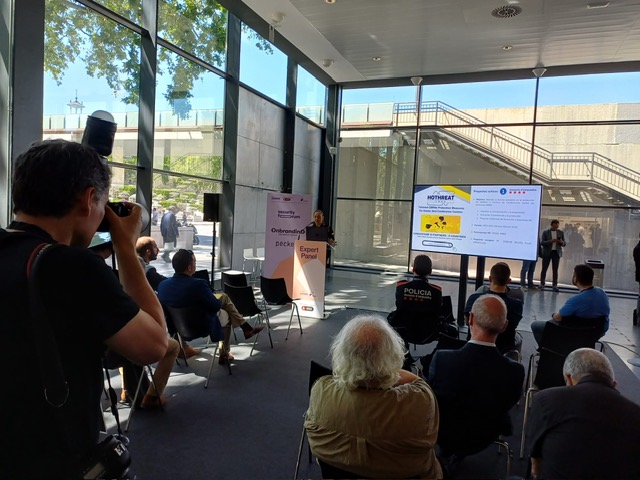
On February 26, 2026, at the Vilnius Security Forum 2026, Professor Timo Hellenberg presented the assumptions and results of the HOTHREAT project.

Vilnius Security Forum is an international conference dedicated to contemporary security challenges in Europe and beyond. Held in Vilnius, it brings together policymakers, security experts, academics, representatives of public institutions, and industry stakeholders to discuss emerging threats, resilience strategies, and cross-sector cooperation.

Professor Hellenberg outlined the main objectives of the project, results and procedures adapted specifically to hospitality environments. He also discussed the project’s key findings and emphasized the importance of staff training, awareness-building, and the implementation of preventive measures that enhance resilience without negatively affecting guest comfort or daily operations.

The presentation underlined that CBRNe security is a concrete management responsibility and a key element of modern safety strategies.


HOTHREAT presented in the BHMS – Lucerne, Switzerland

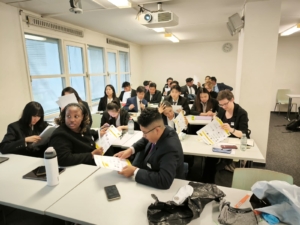
On February 23, BHMS (Business & Hotel Management School) hosted a dissemination event for hospitality students and teachers. The event focused on the risks of CBRN attacks on hotels and conference centers. Examples of such attacks in the past and methods of recognizing such incidents were presented.

Maksymilian Stela i Prof Michał Bijak on the theoretical part of the meeting presented the most important products of the project, including:

•   Recommendation for prevention, protection and response procedures to CBRNe terrorist acts
•   Food protection guidelines
•   Guidelines for epidemiological enquiry
•   CBRNe VIP protection program
•   Protection guideline for cleaning services
•   Training Curriculum
•   Handbook
•   Mobile App
•   VR application

The next part presented personal protective equipment (PPE) along with how to put it on and take it off. Particular attention was paid to respiratory protection using FFP2, FFP3, gas masks, and escape masks.
The most important procedures for detecting and responding to a CBRN incident were presented: 1,2,3+, Remove x 3, 4C, 5S, HOT, Evacuation, SIP, SINS, FEMA

At the end of the event, a CBRN incident scenario was presented and participants were asked to respond to it. Two groups presented their proposed responses to the incident, followed by a discussion of possible actions.

The students and teachers stated that the subject of CBRN threats was completely new to them, that they were not aware of the seriousness of such threats, and that they intend to implement CBRN incident response procedures into their organizations’ safety documentation based on materials developed as part of the Hothreat project and available on the project website.


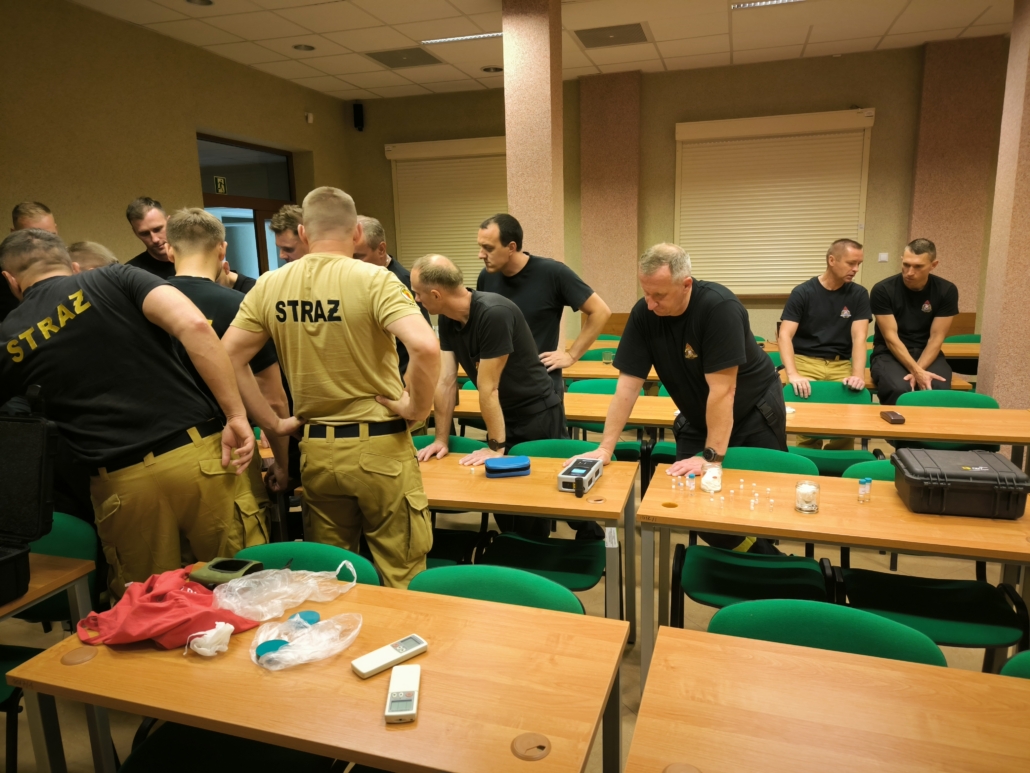
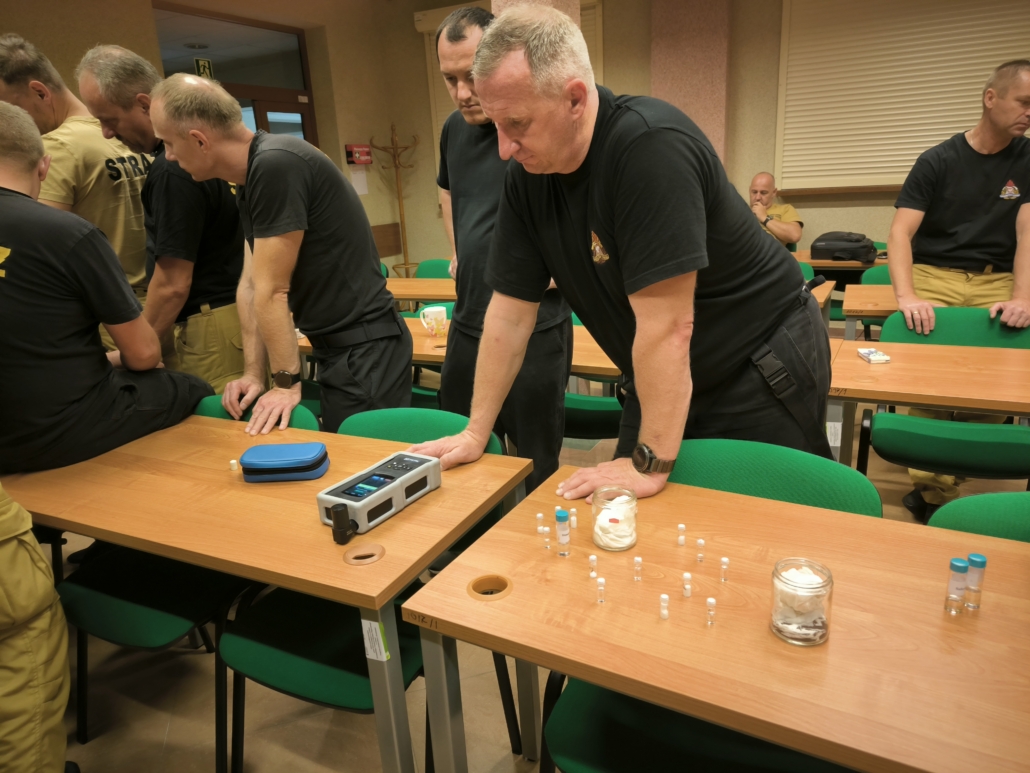
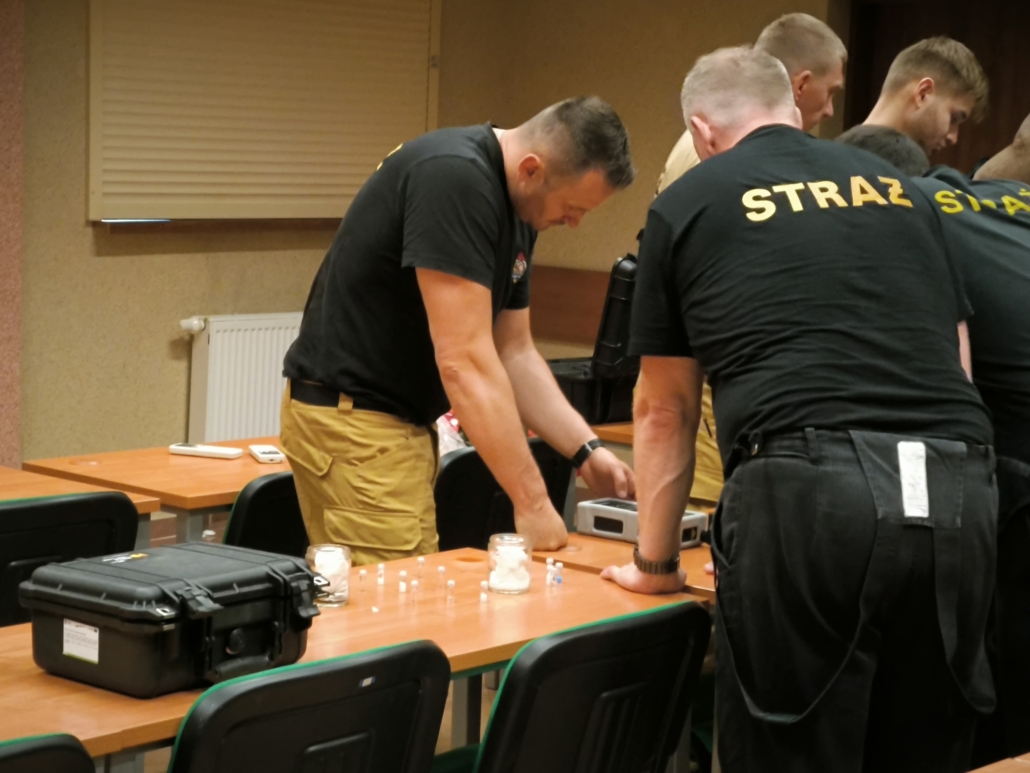
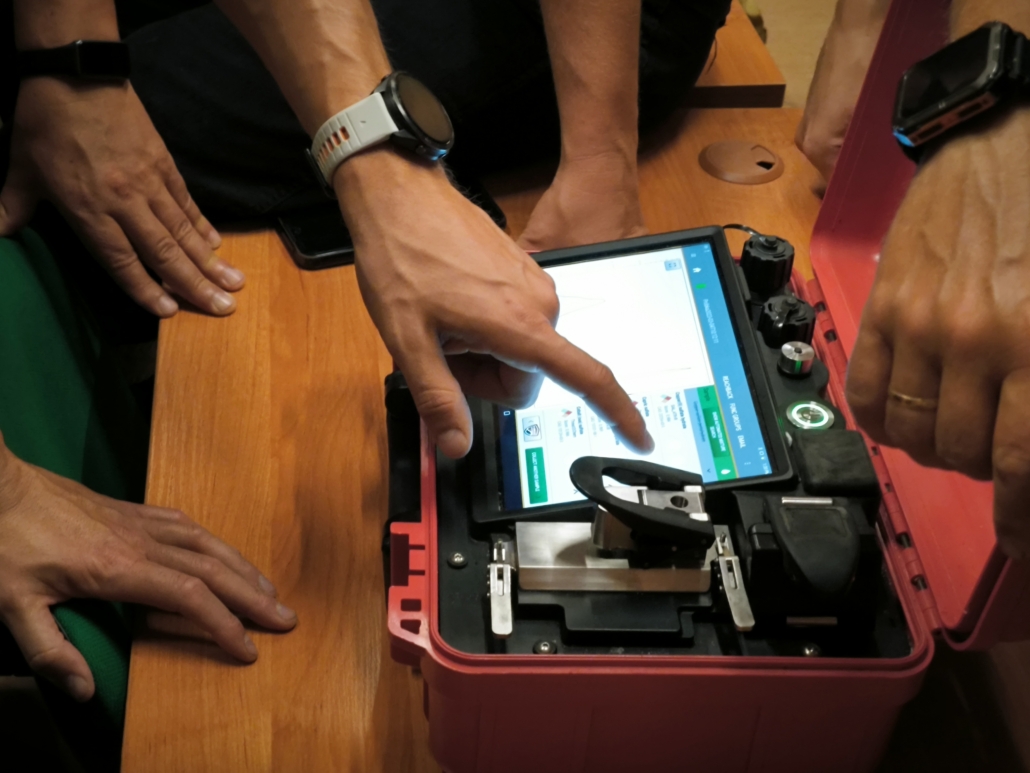
Last Hothreat Large Scale Exercise

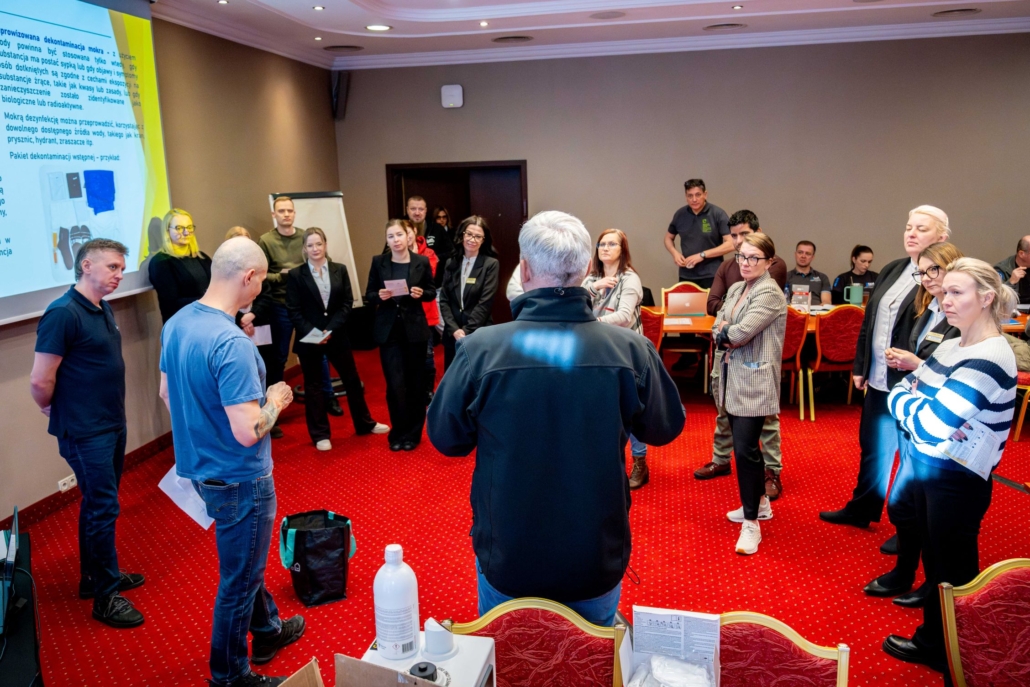
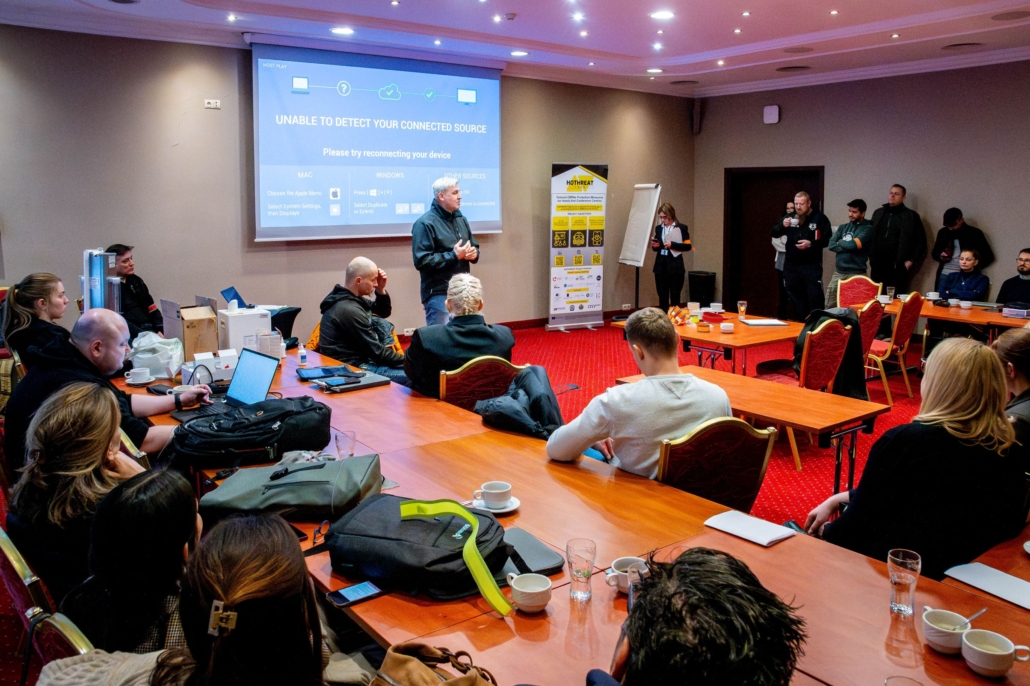
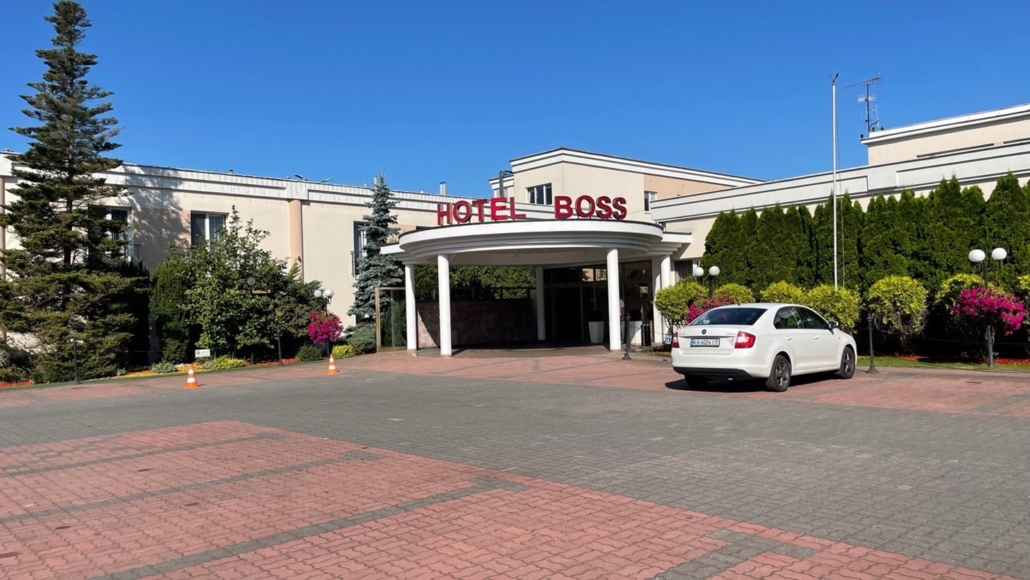
The Final Conference was preceded by a two-day training session, followed by the fourth (and final) large-scale exercise. The training and exercise took place on February 2-4, 2026, at the BOSS Hotel for the management, cleaning staff, and security personnel of the BOSS Hotel and the Hilton Hotel – both partners in the project.

The training sessions were conducted by: D. Klimas i Z. Gajda – Safety Core, Marcin Niemcewicz, Maks i Michał.

Scenario no.1 concerned FOOD DEFENCE (Delivery and attempt to introduce food based on a fake delivery note).

Scenario no.2 concerned CLEANING PROCEDURES (The cleaning procedures were continuation of the situation caused by the poisoning of three guests. As a result of the health inspector’s decision, there is no risk of infection and cleaning can begin.)

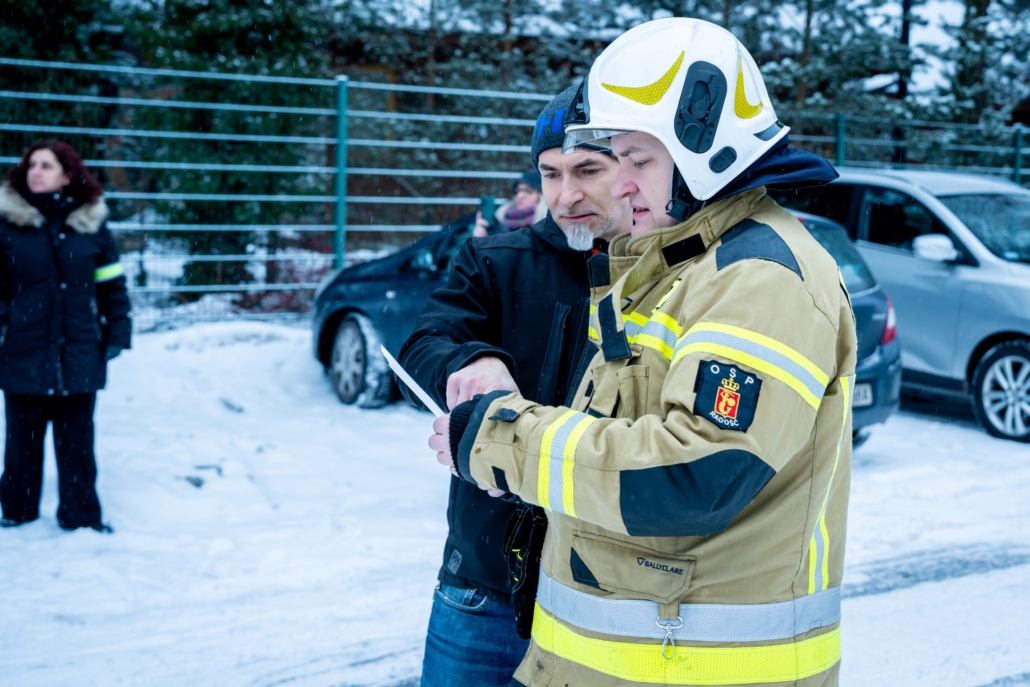
Scenario no.3 concerned ROAD TANKER ACCIDENT

The scenario involved an accident with a tanker carrying an unknown volatile and toxic substance. As a result of the accident, the tanker ruptured and its contents leaked out. During the accident, a cloud of gas formed, posing a threat to human life and health, and moving towards a building belonging to the BOSS hotel.

What were the LSE main objectives?:

  • Conduct a large-scale exercise summarizing project-developed solutions to improve hotel security against CBRN terrorist threats
  • Validate developed procedures, organizational recommendations, and equipment for CBRN prevention and response
  • Train hotel security personnel and practice procedures in a realistic hotel environment
  • Collect participant feedback and enhance coordination between hotel staff, police, and other emergency services


HOTHREAT Final Conference

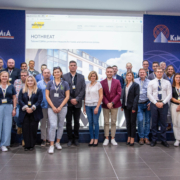
On February 5th the Final Conference of HOTHREAT project took place at CSK in Lodz, Poland. The project lasted almost 3 years bringing together experts, practitioners, and policymakers. They coming together for a dynamic conference dedicated to CBRN awareness, prevention, and preparedness, with a strong focus on the HoReCa sector.

This event marks an important step toward strengthening resilience, awareness, and readiness across Europe’s hospitality industry.

The conference included:
– introduction to CBRN, presentation of the project and its results,
– panel discussions with experts accompanied by practical elements on the prevention and response to CBRN,
– presentation on the topic HoReCa and European CBRN awareness and preparedness level
– experts presentations:

  • Dominik Borek, PhD – Director of the Tourism Department of the Ministry of Sport and Tourism
  • Peter Sparks, QPM – Police CBRN/EOD Investigator & Tactical Commander
  • Wiktor Wojtas – Policy Analyst at European Commission

We would like to thank project partners, all guests and speakers!


Last chance to participate in the HOTHRAET Final Conference!

We are extending the registration period until January 28.

University of Lodz as a Coordinator on behalf of the HOTHREAT Project Consortium is pleased to invite to participate in The International Conference summarizing the project co-financed by the European Union “HOTHREAT – Tailored CBRNe protection measures for hotels and conference centers”.

The conference will be held on 5 February 2025 at Training and Conference Centre, Kopcinskiego 16/18 St, 90-232 Lodz, Poland.

The conference will include:
– introduction to CBRN, presentation of the project and its results,
– panel discussions accompanied by practical elements on the prevention and response to CBRN,
– HoReCa and European CBRN awareness and preparedness level
– speech by Director of the Tourism Department of the Ministry of Sport and Tourism: Dominik Borek PhD.

– The conference is free of charge.
– The working language of the conference is English.
– If you have any questions, please email us at

Please confirm your participation by completing the registration form by 28th January 2026: https://lnkd.in/d8-aq_EE

Yours sincerely, HOTHREAT
Final Conference Organizing Committee


Invitation for the HOTHREAT Final Conference!

University of Lodz as a Coordinator on behalf of the HOTHREAT Project Consortium is pleased to invite to participate in The International Conference summarizing the project co-financed by the European Union “Tailored CBRNe protection measures for hotels and conference centres – HOTHREAT”.

The conference will be held on 5 February 2025 at Training and Conference Centre, Kopcinskiego 16/18 St, 90-232 Lodz, Poland.

The conference will include:
– introduction to CBRN
– presentation of the project and its results,
– panel discussions accompanied by practical elements on the prevention and response to CBRN,
– HoReCa and European CBRN awareness and preparedness level
– speech by Director of the Tourism Department of the Ministry of Sport and Tourism: Dominik Borek PhD.

* The conference is free of charge.
* The working language of the conference is English.
* If you have any questions, please email us.

Please confirm your participation by sending an email to: katarzyna.rosiak@biol.uni.lodz.pl by January 21, 2026.

Yours sincerely, HOTHREAT
Final Conference Organizing Committee

——————————– Wersja polska ————————————


Zaproszenie na Konferencję Finałową projektu HOTHREAT!

Uniwersytet Łódzki jako koordynator w imieniu konsorcjum projektu HOTHREAT ma przyjemność zaprosić do udziału w Międzynarodowej Konferencji podsumowującej projekt współfinansowany przez Unię Europejską “Dostosowane do potrzeb środki ochrony CBRNe dla hoteli i centrów konferencyjnych – HOTREAT”.

Konferencja odbędzie się 5 lutego 2025 r. w CSK przy ulicy Kopcińskiego 16/18 w Łodzi.

Czego można spodziewać się na wydarzeniu:
– wprowadzenia do zagadnienia CBRN,
– przedstawienia projektu i wyników projektu,
– dyskusji panelowych połączonych z praktycznymi elementami dotyczącymi zapobiegania i reagowania na zagrożenia CBRN,
– przeglądu poziomu świadomości i gotowości sektora HoReCa oraz Europy w zakresie CBRN,
– przemówienia Dyrektora Departamentu Turystyki Ministra Sportu i Turystyki: dr Dominika Borka

* Udział w konferencji jest bezpłatny.
* Językiem konferencji jest język angielski.
* W razie jakichkolwiek pytań prosimy pisać na maila.

Prosimy o potwierdzenie udziału wysyłając maila do: katarzyna.rosiak@biol.uni.lodz.pl do dnia 21 stycznia 2026 r.

Z poważaniem, HOTHREAT
Komitet Organizacyjny Konferencji Finałowej


HOTHREAT at HORECA 2025 in Kraków!

On November 7, 2025, during the International Fair of Hotel and Catering Equipment HORECA, PhD Adrian Siadkowski presented  the assumptions and results of the HOTHREAT – Tailored CBRNe protection measures for hotels and conference centers project.

Our project aims to:

– Develop prevention, response, and impact management mechanisms for CBRNe threats in hotels and conference centres.
– Provide interoperable capabilities, equipment recommendations, and cooperation algorithms for emergency services.
– Conduct vulnerability and needs analyses and identify best practices to design tailor-made protection measures.
– Offer procedures, equipment guidance, and training materials for hotel staff.
– Ensure solutions are practical and sustainable through end-user involvement, pilot exercises, and large-scale drills.


Simulation of a CBRNE attack under the HOTHREAT project

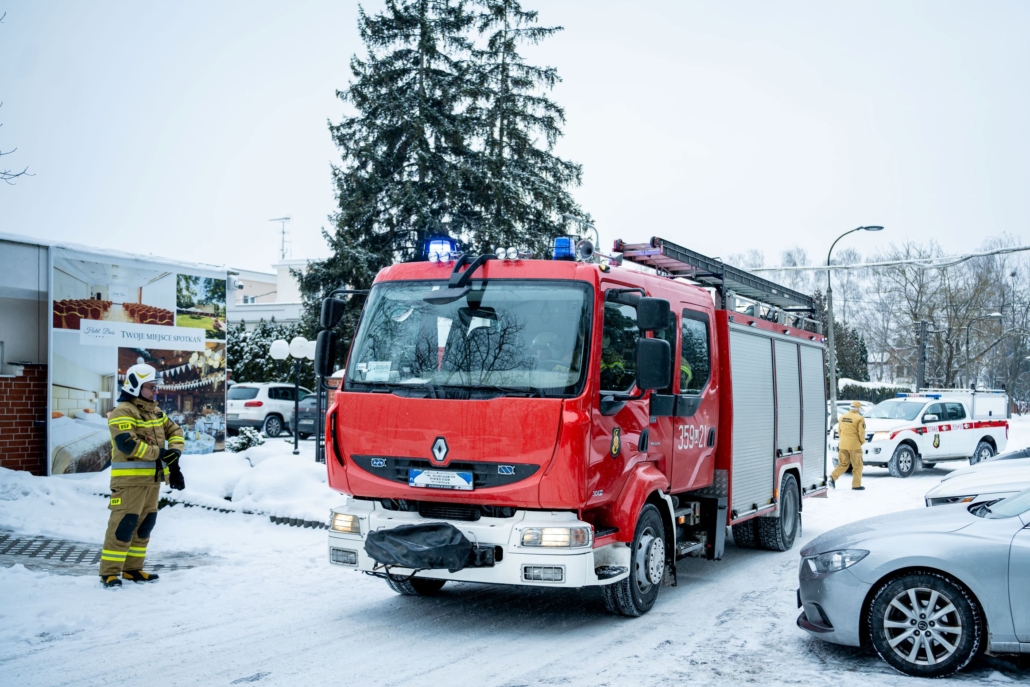
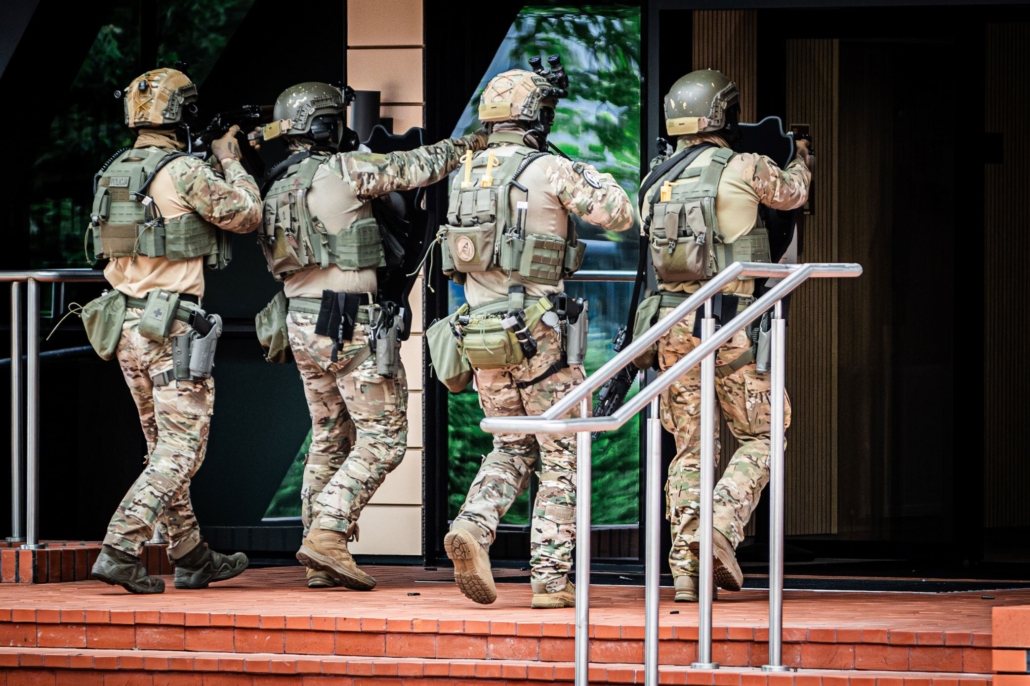
On June 6, 2025, armed terrorists stormed the Training and Conference Centre of the University of Lodz (CSK) at Kopcińskiego Street, took a hostage, and dispersed an unidentified chemical substance. The exercise was organized by the Biohazard Prevention Centre of the University of Lodz, in cooperation with the Regional Police Headquarters in Lodz and Safety Core sp. z o.o., as part of the Hothreat project.

The drill consisted of two main components:

  • Facility staff response in the event of a terrorist attack,
  • Emergency service response to a terrorist incident involving CBRNE agents.

The following units took part in the exercise:

  • Regional Police Headquarters in Lodz,
  • Independent Counter-Terrorism Subdivision of the Regional Police Headquarters in Lodz,
  • Police Prevention Unit in Lodz,
  • Municipal Police Headquarters in Lodz,
  • Other participating units, including officers from JRG4 – the Specialized Chemical Rescue Group of the Municipal Headquarters of the State Fire Service in Lodz.

Such exercises are vital for improving CBRNE emergency preparedness, coordination between services, and ensuring the safety of both facility staff and the general public.


We invite you to visit the website and social media of the Regional Police Headquarters in Lodz:

https://www.facebook.com/policja.lodzkie/videos/1765315250863454

https://lodzka.policja.gov.pl/ld/informacje/108492,Hotel-25-wspolne-cwiczenia-policji-i-uniwersytetu-lodzkiego.html

https://www.instagram.com/p/DKtpJkSsfs4/

And to watch the video of the exercise:

Hotel – 25, wspólne ćwiczenia policji i uniwersytetu łódzkiego


Training and Validation Visit at Aphrodite Hills Resort

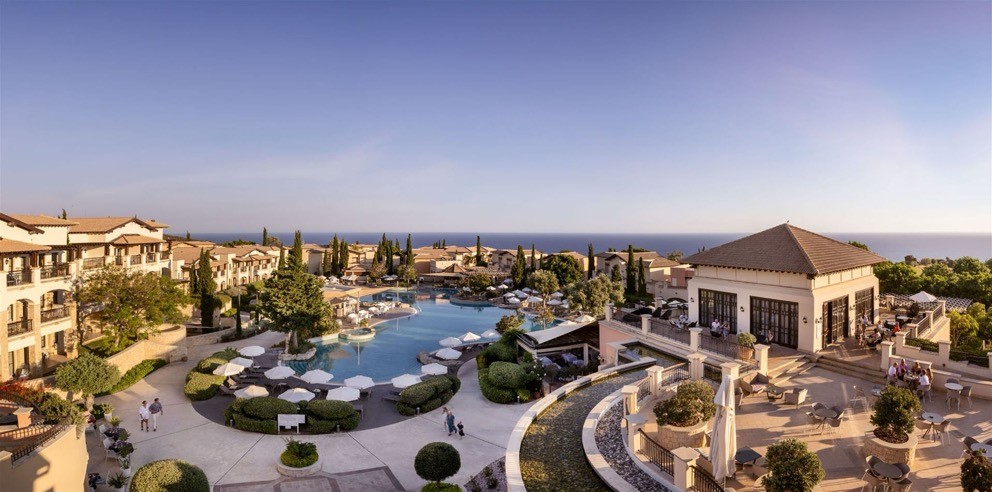
On 11 April 2025, experts from the Biohazard Prevention Centre of Faculty Biology and Environmental Protection of the University of Lodz, Sigoria, and Dynamic Safety Corporation, in collaboration with Aphrodite Hills Resort, conducted a comprehensive training session and validation visit for hotel staff in Kouklia, Cyprus, as part of the HOTHREAT project.

Aphrodite Hills Resort is a world-renowned, multi-award-winning destination for golf, leisure, and luxury living. The resort features the 5-star Aphrodite Hills Hotel by Atlantica, offering 290 rooms set amidst beautifully landscaped gardens, with a wide range of restaurants, pools, and sports and leisure facilities.

The event included an introductory training session on CBRN (Chemical, Biological, Radiological, and Nuclear) threats, focusing on prevention strategies and response procedures in the event of a terrorist attack. Participants also received hands-on training in the use of the Augmented Reality (AR) System and mobile CBRN application, designed to support hotel staff in managing CBRN emergency situations.

Hotel managers, security personnel, technical teams, and food services staff took part in an interactive simulation of a CBRN incident, allowing them to test and enhance their practical skills using innovative tools developed within the HOTHREAT project.

Feedback on the usability and effectiveness of the IT solutions and other security measures was collected and will play an important role in further refinement of the project’s outcomes.


Hothreat Meeting with Hospitality Sector

On 10th April, a promotional meeting with Hospitality Sector members was held in Nicosia, Cyprus.

The aim of the meeting was to discuss challenges related to safety and security in the tourism industry and to explore how the project’s results could support this area.

The meeting was opened by Annita Dimitriadou. Additionally, representatives from the Cyprus Police and Fire Brigade shared their insights and experiences, emphasizing the importance of cooperation with the HoReCa sector. The topics covered during the meeting are of particular importance to Cyprus, which hosted over 4 million tourists last year and for which the tourism industry accounts for around 13-15% of its Gross Domestic Product.

📢 Speakers:
▪️ Annita Dimitriadou – Deputy Ministry of Tourism of Cyprus
▪️ Andreas Christofi, Fire chief – Cyprus Fire Service
▪️ Perseas Koutrouzas, Lieutenant – Cyprus Police
▪️ PhD, Prof. Michał Bijak – University of Lodz, Poland
▪️ Maksymilian Stela – CBRN expert, Poland
▪️ PhD Sebastian Kawczyński – CEO, Sigoria Security Solutions (Sigoria Sp. z o.o.), Poland

The meeting was organized by Nicosia Tourism Board, Center for Social Innovation – CSI and the University of Lodz.

Hosted by the City of Nicosia.


First CHEMICAL WEAPONS EXERCISE in Europe at ATIRAM hotels

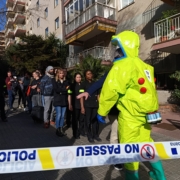
On 13 – 16 January, Atiram Hotels in Barcelona hosted Europe’s first large scale training and simulation of a chemical attack in a hotel infrastructure. The exercise is part of the EU-founded HOTHREAT project, which aims to enhance the security of hotels and conference centers in the context of #CBRN threats.

🔸 More than 100 people attended events!
Including the Catalan Services: the MOSSOS D`ESQUADRA, the Guàrdia Urbana, the Medical Emergency Service, the Civil Defense, the red cross RED Cross, the employees of the ATIRAM hotel chain, ISEM Institute, Center for Security Studies (KEMEA), Instituto Nacional de Técnica Aeroespacial «Esteban Terradas», as well as representatives of the Faculty of Biology and Environmental Protection of the University of Lodz – Biohazard Prevention Centre, acting as coordinator of the project at the European level.

🔸 What was the scenario of the exercise?
The simulation depicted a situation in which a hazardous chemical is released from a backpack left outside the room door during a VIP visit to the hotel. The task of the hotel staff was to quickly recognize the danger, secure the site, and then carry out procedures related to evacuation and securing the injured.

It is worth mentioning that the role of the VIP was played by Mr. Joan Gaspart – President of the Barcelona football club in 2000-2003.

Thanks to organizers, experts and participants!


Events were widely covered by Spanish media:

https://www.catalunyapress.cat/article/barcelona/2025-01-15/5138823-serveis-demergncies-simulen-atac-quimic-hotel-barcelona

https://www.elperiodico.com/es/sucesos/20250115/servicios-emergencia-simularan-ataque-nuclear-hotel-barcelona-pedralbes-113406341

https://beteve.cat/societat/simulacre-mossos-atac-nuclear-quimic-hotel-pedralbes/

https://www.20minutos.es/noticia/5672603/0/los-servicios-emergencias-realizan-este-miercoles-un-simulacro-ataque-nuclear-radiologico-biologico-quimico-barcelona/

https://www.abc.es/espana/simulacro-barcelona-ante-posible-ataque-quimico-minimizar-20250115190306-vi.html?ref=https%3A%2F%2Fwww.google.com%2F


How to recognize and respond to Biological Threats?

Biological threats differ from chemical attacks as their effects often manifest after a delay, depending on the pathogen’s incubation period.
Early detection is critical, as timely recognition by healthcare professionals can significantly reduce the health impacts of an attack.

Initially, diseases caused by a biological attack may resemble common illnesses like influenza. However, specific indicators can suggest an intentional event:
·        Unusual Number of Cases: A sudden increase in cases of rare or unexpected diseases, which deviates from historical patterns or normal incidence rates.
·        Unexpected Geographic Spread: Cases emerging in unlikely areas or rapidly spreading to multiple locations.
·        Atypical Symptoms: Symptoms that are unusually severe or do not align with typical disease characteristics.
·        Rapid Case Increase: A significant spike in cases over a short period.
·        Association with Specific Events or Locations: Cases linked to mass gatherings, confined spaces, or specific geographic areas.
·        Presence of Multiple Pathogens: Uncommon combinations of pathogens suggest a possible deliberate release.

These new guidelines are set to improve awareness and management strategies regarding transmission risks, with full details available soon in the document “D.3.3 Guidelines for epidemiological enquiry”

The guideline concerns food protection developed by (UniLodz) Uniwersytet Łódzki, National Institute of Aerospace Technology, Polícia de Segurança Pública, Polaris (DoubleTree by Hilton), Centrum Konferencyjno-Szkoleniowe Hotel Boss***, Atiram Hotels, Center for Security Studies (KEMEA)

Photo: Adobe Stock

New Guidelines on – Transmission Routes and Entry Points for Infectious Agents

How can transmission occur❓

Transmission can occur through one or more of the following channels:
– Airborne: Transmission via inhaling aerosol particles emitted by an infected person while coughing, talking, singing, or through general atmospheric dispersal of microbial aerosols.
– Contact: This includes both direct contact with infected persons or animals and indirect contact with contaminated surfaces or materials.
– Vertical: Transmission from mother to child, typically in utero or through bodily fluids exchanged during childbirth.
– Vector Transmission: Spread through insect bites, such as those from infected mosquitoes, ticks, or mites.
– Foodborne and/or Waterborne: Consumption of contaminated food or water, which may introduce infectious agents.

Routes of Entry into the Human Body 🚺
According to CDC guidelines, infectious agents can enter the human body through several primary routes:
– Cutaneous and associated mucous membranes
– Digestive mucosal route
– Eye and Conjunctival route
– Urogenital route
– Respiratory route
– Parenteral route

These new guidelines are set to improve awareness and management strategies regarding transmission risks, with full details available soon in the document “D.3.3 Guidelines for epidemiological enquiry”.

The guideline concerns food protection developed by (UniLodz) Uniwersytet Łódzki, National Institute of Aerospace Technology, Polícia de Segurança Pública, Polaris (DoubleTree by Hilton), Hotel Boss Warszawa, Atiram Hotels, Center for Security Studies (KEMEA).

Photo: Adobe Stock

HOTHREAT project consortium work in progress

The 3rd HOTHREAT Consortium Meeting is in progress at the Center for Security Studies (KEMEA) in Athens, Greece.

Project partners are actively discussing the project’s advancements and planning for upcoming CBRNe trainings and exercises.

New guideline for cleaning services

Under the HOTHREAT another guideline for cleaning services was developed!

Why CBRN protection at hotels, leisure and conference facilities is significant❓
👉 Cause the main goal of the hotel industry is to protect and care for guests throughout their entire stay. This important aspect of business operations carries the responsibility for ensuring safety not only in a general sense but also in terms of sanitary and epidemiological conditions, to guarantee the comfort and well-being of guests.

Why do cleaning services play a big role in this area❓
👉 Conducting basic sanitary procedures aimed at maintaining cleanliness in hotels is a key element in both preventing the spread of diseases and effectively combating viruses and bacteria when such threats arise.

The guideline concerns food protection developed by (UniLodz) Uniwersytet Łódzki, National Institute of Aerospace Technology, Polícia de Segurança Pública, Polaris (DoubleTree by Hilton), Hotel Boss, Atiram Hotels, Center for Security Studies (KEMEA).

More information available in the document ,,D.3.5 Protection guideline for cleaning services” in the near future.

Photo: Adobe Stock

New guideline about food protection

Under the HOTHREAT project, another guideline about food protection was developed!

Why food protection topics are significant ❓
–         due to expansion and development of food supply chain, diversity of food and food related products, free trade food market, cross border food trading, problems related with global unemployment, human migration and globalization of world economy.

What pathogens are causing the most food incidents ❓
a)   Caused by the biological contamination:
Norovirus, Clostridium perfringens, Campylobacter spp., Salmonella spp., Bacillus cereus and Listeria.

b)   Caused by the chemical agents:
aflatoxin, dioxin, cyanide and peanut allergen

The guideline concerns food protection developed by (UniLodz) Uniwersytet Łódzki, National Institute of Aerospace Technology, Polícia de Segurança Pública, Polaris (DoubleTree by Hilton), Hotel Boss, Atiram Hotels, Center for Security Studies (KEMEA).

More information available in the document ,,D.3.2 Food protection guidelines” in the near future.

Photo: Adobe Stock

HOTHREAT at SECURITY FORUM

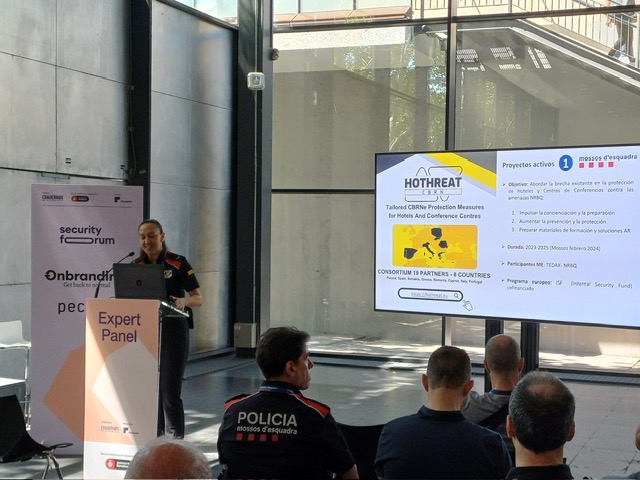
MOSSOS D`ESQUADRA promoted HOTHREAT at SECURITY FORUM in June

MOSSOS D`ESQUADRA took part in the conference presenting 👉 “The participation of the Mossos d’Esquadra in European Projects”

The forum typically features a mix of exhibitions, presentations, and panel discussions, providing a platform for networking, knowledge exchange, and showcasing the latest innovations and solutions in security technology and practices.


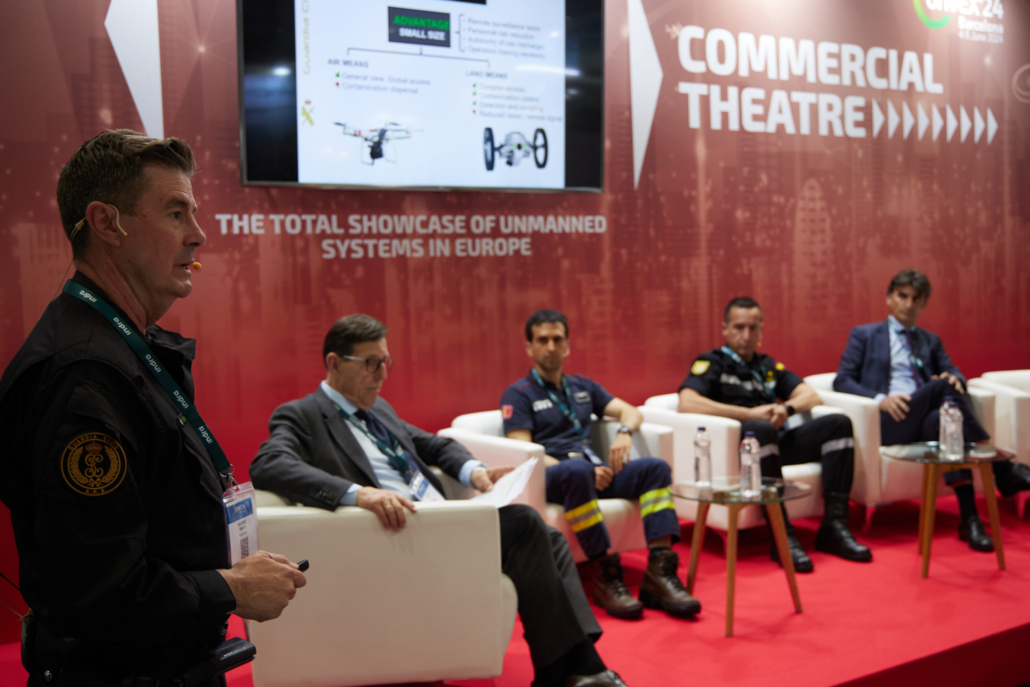
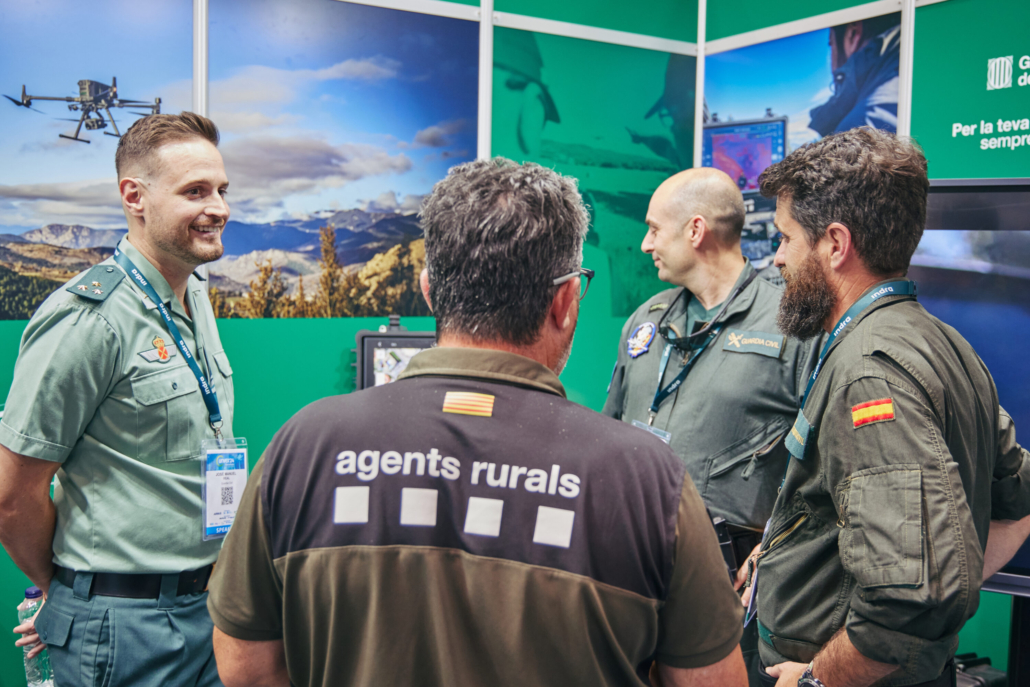
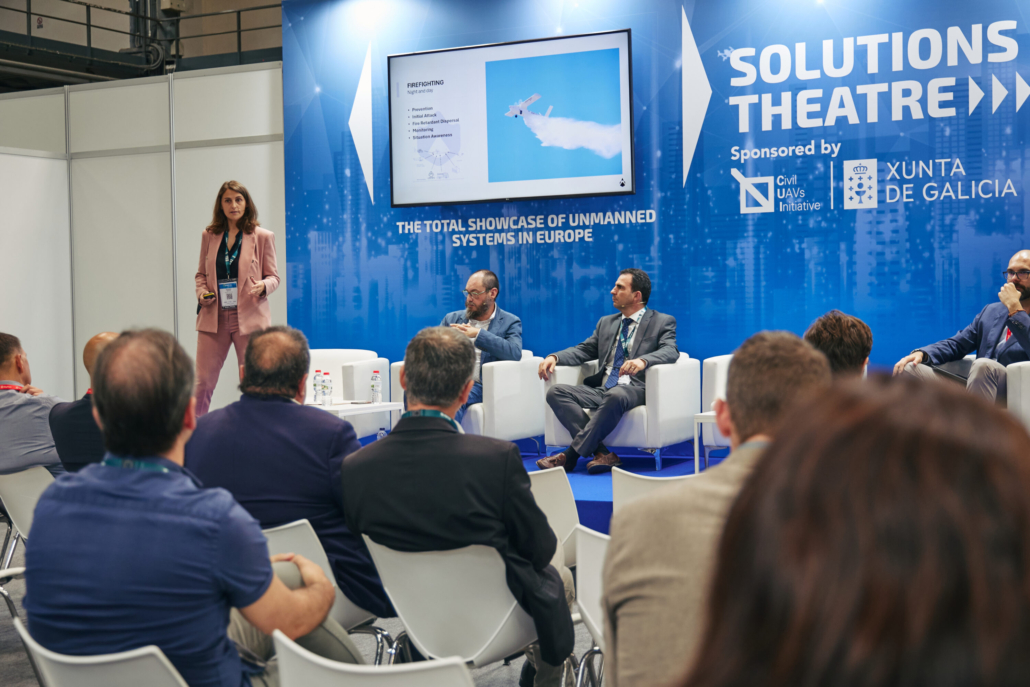
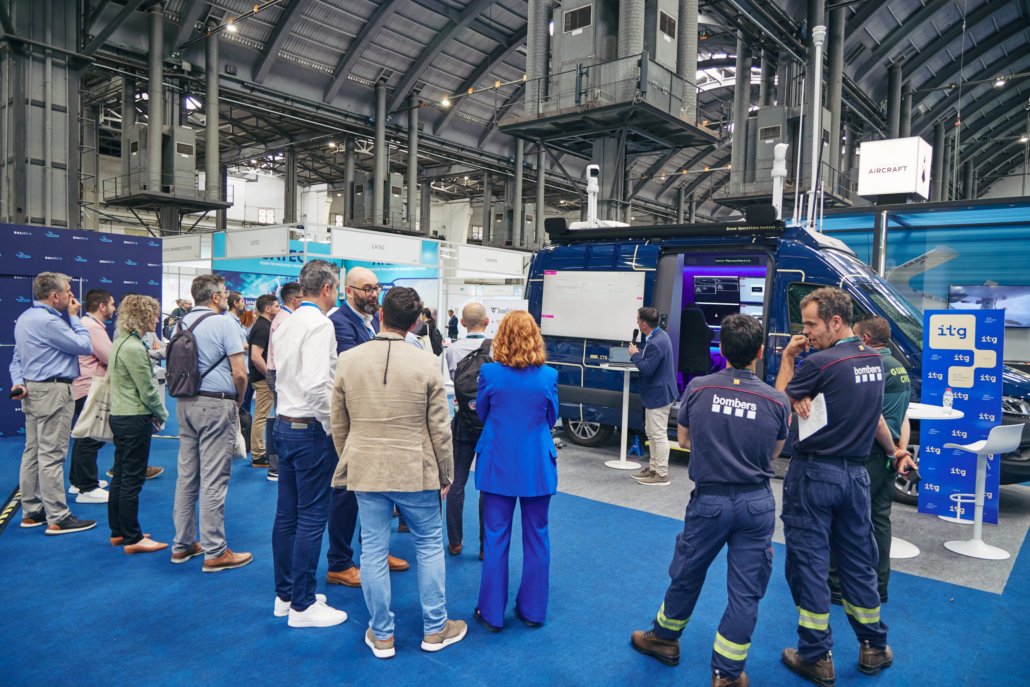
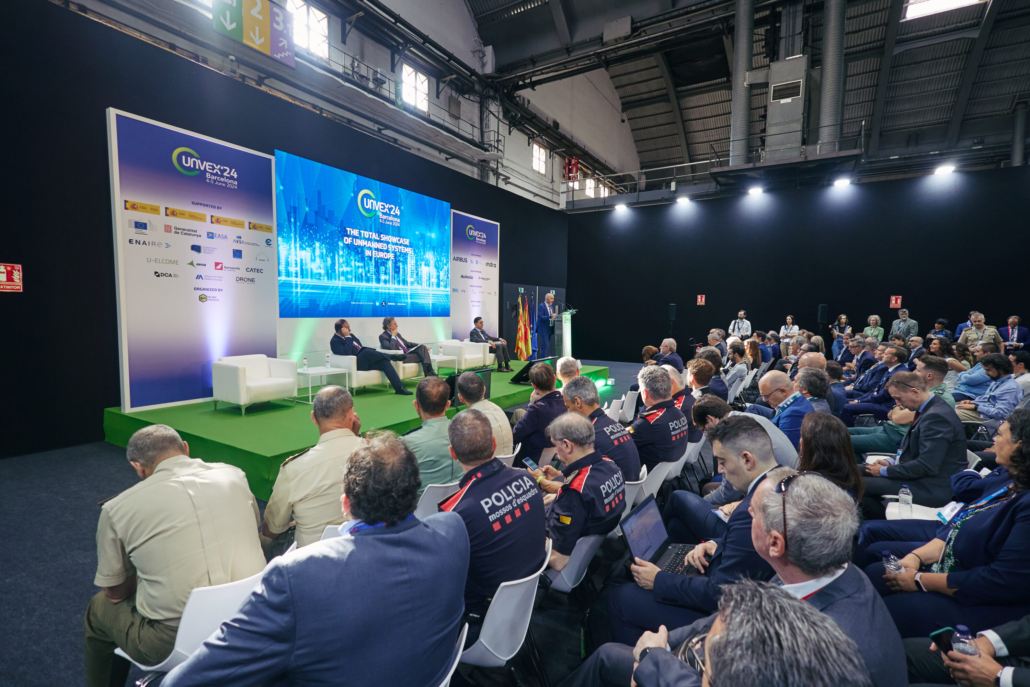
HOTHREAT at #UNVEX’24


In June Hothreat participated in the event UNVEX’24

This event focused on unmaned systems and technologies, which brings professionals, companies and stakeholders from various sectros (defense, security and civil applications). Helds exhibitions, conferences and workshops, networking opportunities, live demonstrations.


See you next time!


HOTHREAT – Tailored CBRNe protection measures for hotels and conference centers.

security CBRN EuropeanCommission ISF InternalSecurityFund


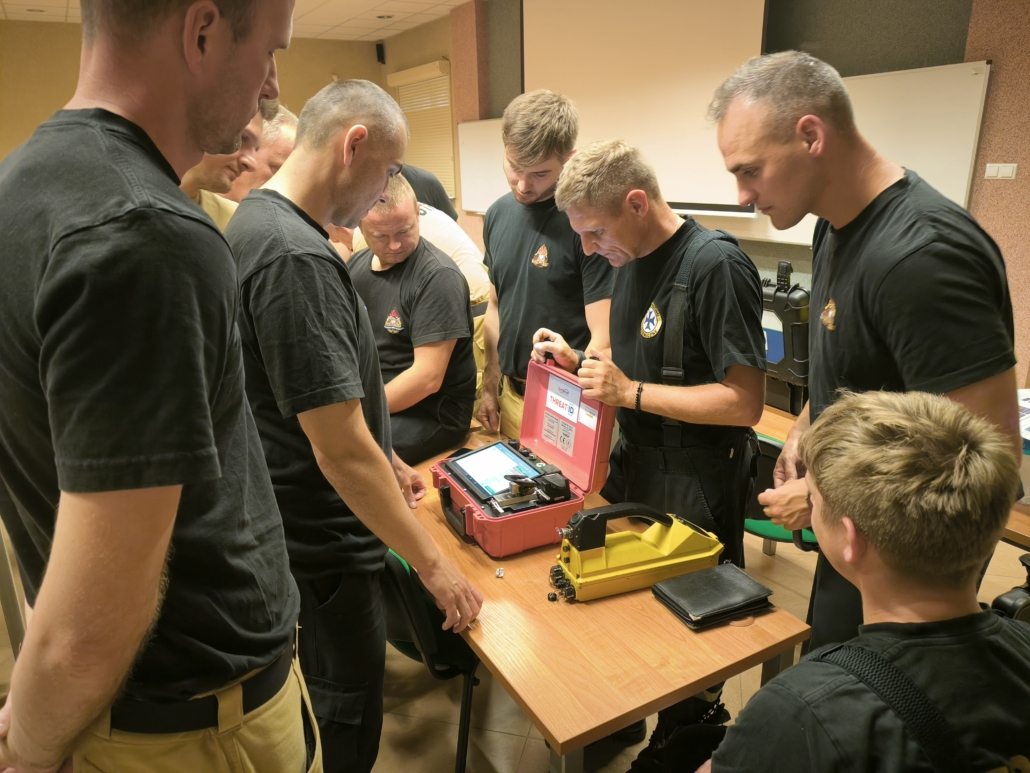
Training for Polish State Fire Service in Spała, Poland

We keep training all the time!

Training was conducted on 17-19th June in Spała, Poland for Municipal Headquarters of the State Fire Service of Łódź (Komenda Miejska Państwowej Straży Pożarnej w Łodzi) and Municipal Headquarters of the State Fire Service of Piotrków Trybunalski on:

☣ CBRN threats
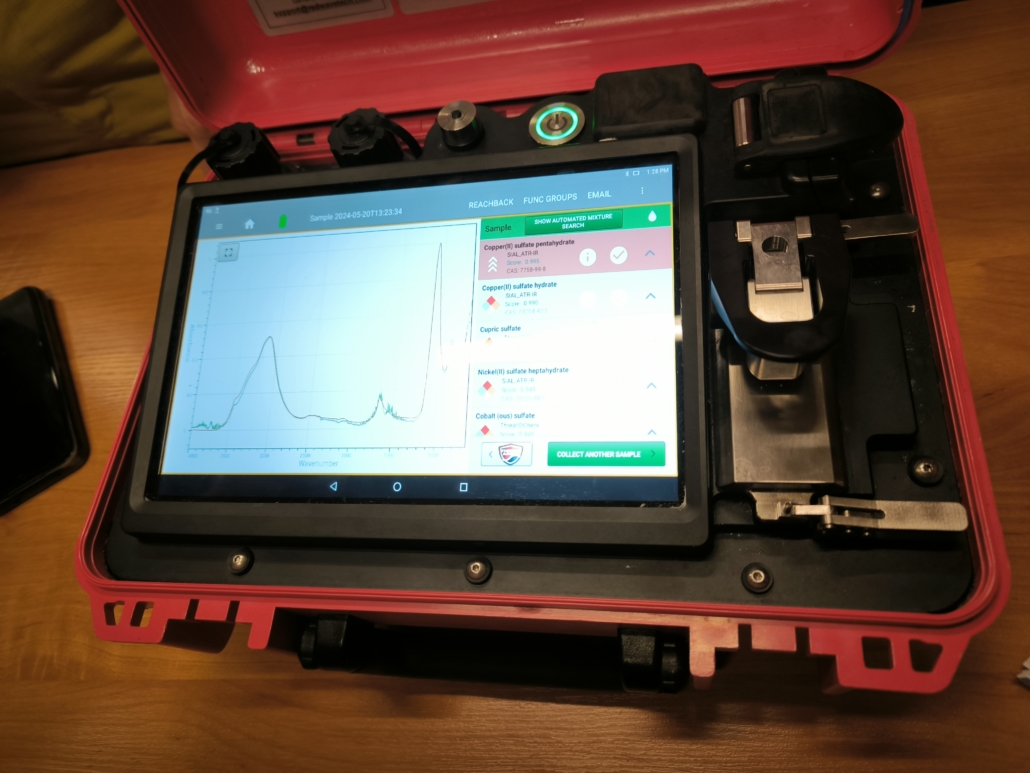
☣ detection and identification techniques,
☣ operating in contaminated areas – specifically in hotels and conference centers
☣ cooperation with hotels on notification, evacuation, pre-decontamination, organization of evacuation and decontamination points.


Workshop on the Analysis of end users’ needs

Uniwersytet Łódzki (UniLodz) as a project coordinator on 6th of February 2024 organized project organizational meeting (The Biohazard Prevention Centre team: Maksymilian Stela, Michał Bijak, Karolina Tomczyk) and on 7th of February 2024 International Security and Emergency Management Institute (ISEM Institute) in cooperation with University of Lodz, Atiram Hotels and with support of all HOTHREAT project consortium partners organized WP2 Workshop „Analysis of end users’ needs, best/good practices and relevant EU funded projects“ in Oriente Atiram Hotel in Barcelona.

Main WP2 Workshop objectives were to:
–         recognize synergies among HOTREAT and other EU Projects,
–         present outcomes from Desk research, Survey Research and Inspection visits,
–         present outcomes of Analysis of existing practices in EU projects, international and national regulations,
–         deliver final identification of gaps, needs, recommendations and good/best practices,
–         discuss and present initial consideration for implementation of other WPs (WP3, WP4 and WP5) after analyses.

WP2 implementation started immediatelly after the consortium Kick-off meeting in the middle of July 2023. ISEMI as WP2 leader developed Methodology and tools with the aim to establish rules and guidance for how to implement all WP2 activities, that required involvement of all consortium partners especially Center for Security Studies (KEMEA), University of Lodz and Safety Core and also end-users Hotel Boss, Double Three Hilton and University of Lodz Hotel and Conference Centre from Poland, Atiram Hotels from Spain and Aphrodite Hills Resort Ltd from Cyprus as representatives of hotels and conference centres.

Desk research, Survey Research, Inspection visits and Analyses of existing EU Projects outcomes presented during WP2 Workshop identified existing gaps, needs, recommendations and good/best practices that introduced the real picture that is necessary to implement in WP3, WP4 and WP5 in area of development of procedures, technical solutions and training to strenghten safety and security of endusers against Chemical, Biological, Radiological and Nuclear Threats.

At the end of the WP2 Workshop ISEMI representatives Lubos Trudic and Cameron Mann thanked all consortium partners for their work, effort and support in implementation of WP2 activities and tasks. Final reports from WP2 will be finalized at the end of February 2024.

#security #CBRN #EuropeanCommission #ISF #InternalSecurityFund
#HOTHREAT

Hothreat inspection visits

Over the six months of the HOTHREAT project, we have already conducted 6 inspection visits for safety improvements!

The visits were carried out by our experts and were aiming at:

  • find effective solutions (best practices) that enhance the effectiveness of deterrence, prevention, detection, and response to CBRNe threats,
  • identify gaps in the security system and the resulting needs,
  • identify vulnerable points susceptible to potential attacks,
  • gather necessary data to develop appropriate recommendations.

Our experts have paid special attention to, among other things:

  • interviewing the employees responsible for the management and security of the facility during its daily operation and conferences,
  • checking the structure of the hotel in terms of its vulnerability to CBRN threats,
  • analysis of the location of security services and their skills in case of CBRN incidents,
  • overall assessment of the security and safety system,
  • analysis of the security structure and its efficiency in terms of their effectiveness in CBRN incidents response,
  • identification of possible threats.

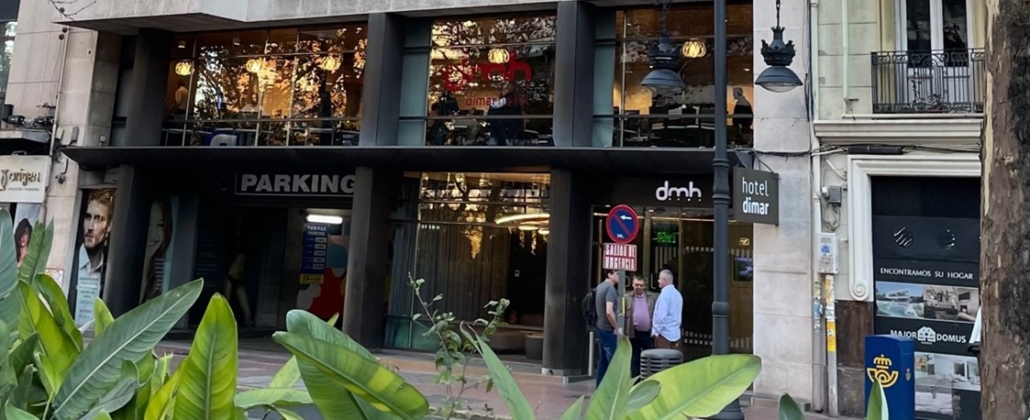
The visits were conducted in hotels and training centers in Warsaw, Lodz (Poland), Barcelona, Valecia (Spain), Kouklia (Cyprus) in the facilities of the project partners: BOSS Hotel, DoubleTree by Hilton Warsaw, University of Lodz Training and Conference Center, Atiram Hotels Barcelona and Dimar Hotel.


Kick Off meeting

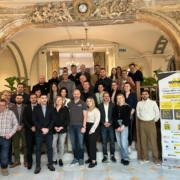
The HOTHREAT project was established in June 2023. On July 12-13, the first Kick Off meeting was held at the Boss Hotel, which is one of the project’s partners.

The project HOTHREAT (Tailored CBRNe protection measures for hotels and conference centres) aims to reduce risks related to possible terrorist attack targeted at hotels and conference spaces with the use of Chemical, Biological, Radiological or Nuclear agents (CBRN).

The project consortium consisting of 18 partners from 8 EU countries (Poland, Slovakia, Spain, Greece, Romania, Cyprus, Italy and Portugal) and leaded by the University of Lodz could be divided into three groups:

  • Research, expertise, technology (University of Lodz, Dynamic Safety Corporation, Safety Core, International Security and Emergency Management Institute, National Institute of Aerospace Technology, Center for Security Studies, Konngruent, Sigoria Security Solutions, Center for Social Innovation and Fundazione SAFE-EUROPE);
  • Hotels and conference centre sector (Polaris Hospitality Enterprises, ATIRAM Hotels, Aphrodite Hills Resort, Hotel Boss, Nicosia Tourist Board and University of Lodz);
  • Law enforcement agencies (Police from Portugal, Greece and Poland).

The Kick Off meeting was opened by the Project Coordinator, dr hab. Michał Bijak, prof. of UL,. who described aims and goals of the project and synergies between other projects conducted by Biohazard Prevention Centre at University of Lodz.

The importance of the very first technical step of the project – identification of gaps and end-users needs was underlined.